Categories
The best waterfalls in Phuket – When to visit, getting there & tips
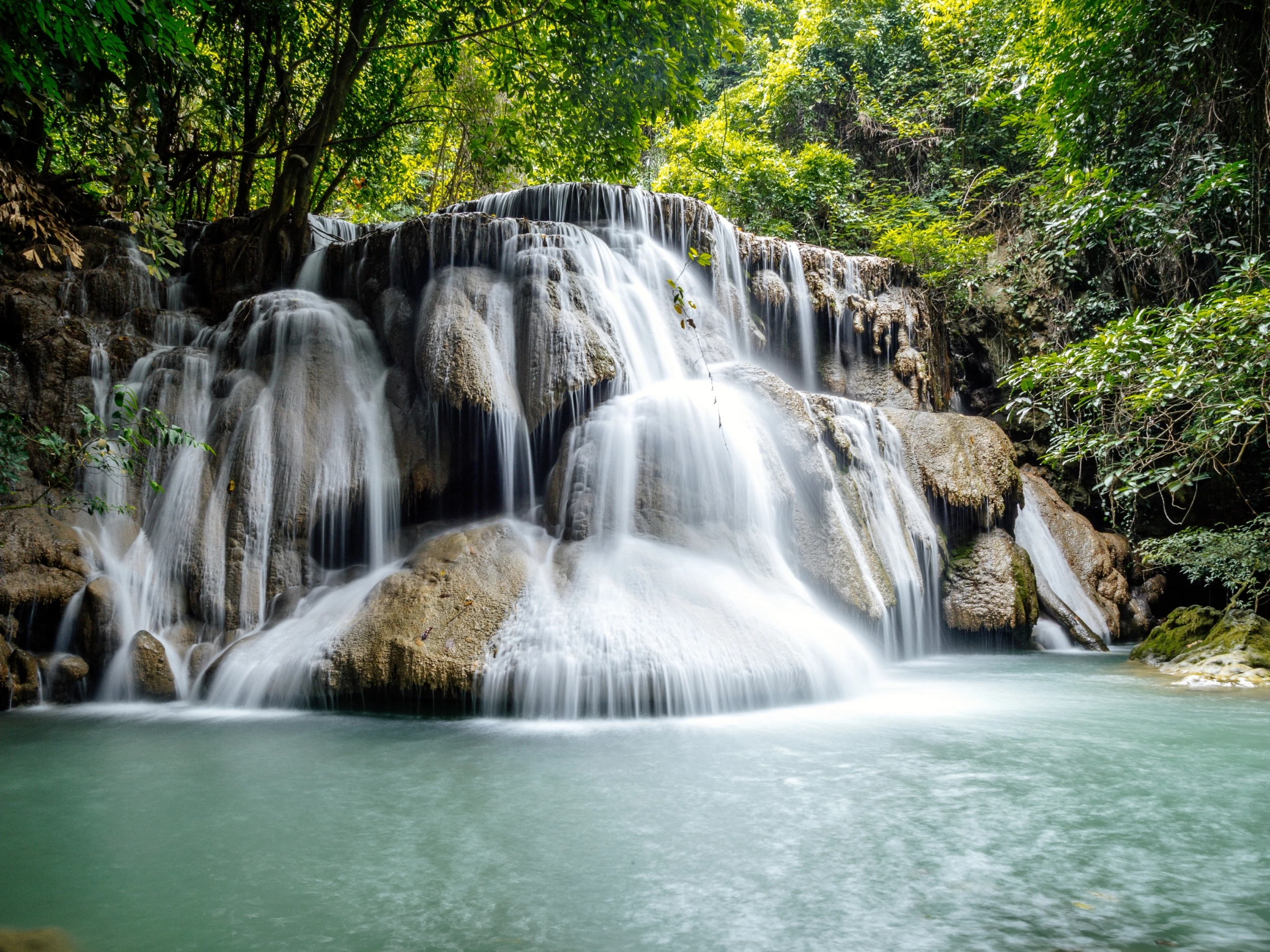
Phuket is best known for its beaches, small coves and the Andaman Sea. Yet short trails through the island's green interior also lead to waterfalls, rocky streams and tropical forest. The waterfalls are at their fullest during the rainy season, particularly after several days of regular rain.
Compared with the large cascades found on mainland Thailand, Phuket's waterfalls are much smaller. Many depend heavily on recent rainfall and can look fairly modest during longer dry periods. Their appeal lies less in dramatic drops and more in the combination of tropical nature, short walks and a quieter side of the island.
The best-known waterfalls in Phuket include Bang Pae, Kathu and Ton Sai. Bang Wan near Kamala and the smaller Ao Yon Waterfall close to Cape Panwa are better suited to seasonal stops along the way. This guide explains which waterfall to choose, when to visit, how to get there and what to know about safety.
Which Phuket waterfall is best for your trip?
Bang Pae combines a short forest walk with the largest waterfall on the island. Kathu is relatively quick to reach from Patong and central Phuket and consists of several small cascades. Bang Wan works well as a short detour near Kamala, while Ton Sai is as much about the surrounding forest as the waterfall itself. Ao Yon is best included in a day around Cape Panwa rather than planned as a separate excursion.
The right choice depends mainly on where you are staying, current water levels and whether you want a quick stop or a longer walk.
The five waterfalls in detail
Bang Pae Waterfall in Khao Phra Thaeo Wildlife Sanctuary
Bang Pae Waterfall lies in northeastern Phuket within Khao Phra Thaeo Wildlife Sanctuary. Covering around 23 square kilometers, the protected area preserves one of the island's last remaining areas of evergreen rainforest and offers a clear contrast to the more developed coastal regions.
A short forest trail leads from the entrance to the waterfall. The walk takes around 10 to 15 minutes depending on pace, although parts of the trail run over rocks and uneven ground. Some sections can become slippery after rain.
Bang Pae is considered the largest waterfall in Phuket, but it remains modest compared with many waterfalls on mainland Thailand. It is most impressive after several rainy days. During the drier months, much less water may flow over the rocks.
Small natural pools can be found below the waterfall and along the stream. Whether swimming is possible depends on water levels, the strength of the current and any local safety notices. There is no supervised swimming area.
The Gibbon Rehabilitation Project is also located near the entrance. This nonprofit initiative rescues and rehabilitates gibbons, a group of small apes native to Southeast Asia and prepares suitable animals for release back into the wild. Those interested in visiting can join one of the project's learning sessions. A fee applies and booking ahead is recommended because same-day availability may be limited.
Bang Pae is particularly well suited for a short nature trip that does not require a long hike. The trail is generally manageable with children, but it is not suitable for strollers.
Kathu Waterfall near Patong
Kathu Waterfall lies in central Phuket between Phuket Town and Patong, making it much quicker to reach from Patong than Bang Pae or Ton Sai.
Rather than one tall waterfall, Kathu consists of several small cascades and pools spread across a forested hillside. The lower section is relatively easy to access. Farther up, stairs and steeper sections continue through the vegetation, with the climb becoming more demanding as it rises. The steps can also be slippery after rain.
Kathu depends heavily on recent weather conditions. After several dry weeks, the cascades may shrink to little more than a narrow stream. During Phuket's Green Season, they can become much fuller. Even then, extra care is needed immediately after heavy rain because the steps may be slippery and the current stronger.
Access is generally free. As the area is not continuously supervised, visits are best planned during daylight hours. For a short trip from Patong or Phuket Town, Kathu offers an easy way to experience the forested side of Phuket.
Bang Wan Waterfall near Kamala
Bang Wan Waterfall, often called Kamala Waterfall, lies on the edge of town in the green hills behind Kamala. The small waterfall runs across several levels and carries noticeably more water during the wetter months.
A short path leads from the end of the access road to the lower section. Access to individual levels may be restricted or temporarily closed and swimming may also be prohibited for safety reasons. As conditions can change, the latest access information should be checked in advance.
Bang Wan is therefore better suited to a short detour while staying in Kamala than to a separate day trip. Compared with Kathu, access is less straightforward and there is very little tourist infrastructure on site.
Ton Sai Waterfall and the forest trails of Khao Phra Thaeo
Ton Sai Waterfall, also commonly spelled Tonsai, lies in northern Phuket on the western side of Khao Phra Thaeo Wildlife Sanctuary. It is smaller than Bang Pae and can look more like a rocky stream than a distinct waterfall during the drier months.
Much of its appeal comes from the surrounding vegetation. Tall trees, dense forest and short nature trails make Ton Sai a good choice when a walk through tropical greenery matters as much as the waterfall itself. The area is also regularly visited for birdwatching.
Shorter trails lead from the entrance through the forest and along the stream. Longer routes within the sanctuary should not be attempted without up-to-date trail information. Trail markings are not always clear and individual paths may be affected by heavy rain or fallen trees. A local guide is therefore recommended for longer hikes.
An entrance fee is usually charged for access to the protected area. As prices and opening hours may change, the latest information should be checked before visiting.
Ton Sai is best suited to travelers who want to combine a quiet forest walk with a small waterfall. Anyone hoping to see a more defined cascade will usually find Bang Pae the better choice when water levels are high.
Ao Yon Waterfall near Cape Panwa
Ao Yon Waterfall, also known as Ton Ao Yon Waterfall, lies in southern Phuket close to Ao Yon Beach. It is not one of the island's large or developed visitor attractions. Instead, water only begins to flow noticeably over the rocks after sufficient rainfall.
The access route is less clearly marked than those leading to Bang Pae, Kathu or Ton Sai. The short path can cross uneven ground, rocks and damp sections. Sturdy footwear is therefore useful even for a brief visit.
A dedicated trip is rarely worthwhile during a long dry period. After several rainy days, however, Ao Yon can be an easy addition to a day around Cape Panwa. Access has occasionally been restricted in the past and there are no fixed opening hours, so the latest access conditions should be checked before visiting.
The waterfall is best combined with Ao Yon Beach, Khao Khad Views Tower or other places around the peninsula. For travelers who want to stay nearby, The Mooring Resort sits directly on Ao Yon Bay and fits naturally with the quieter character of the area. More ideas for planning a day nearby can be found in our Cape Panwa Guide.
When is the best time to visit Phuket's waterfalls?
Phuket's waterfalls are usually at their fullest during the Green Season from May to October. After several rainy days, the cascades become more visible and the surrounding vegetation looks especially lush.
However, visiting during or immediately after several days of heavy rain is not recommended. Water levels can rise quickly, trails may be damaged and rocks or steps can become slippery. If heavy rain continues, it is worth checking local conditions before heading to the waterfall.
Between November and April, Phuket receives less rainfall on average. Trails are often drier during these months, but Kathu, Bang Wan and Ao Yon may carry very little water. Bang Pae and Ton Sai may also have a much lighter flow after a long dry period.
A dry morning following a period of regular showers often offers the best balance between a good flow and comfortable walking conditions. Even then, the amount of water depends on recent rainfall and can vary from one visit to the next.
Is it safe to swim at Phuket's waterfalls?
Small natural pools form at some of Phuket's waterfalls, but they are not always safe for swimming. Water levels, currents and depth can change quickly after rain and the rocks around the pools are often slippery.
Warnings, barriers and local safety notices should always be followed. As the natural pools are not supervised by lifeguards, children should remain within close reach of an adult at all times. Swimming should be avoided when the water is cloudy, the current is strong or the depth is unclear.
Jumping from rocks is also risky. Hidden branches, stones and sudden changes in depth are difficult to judge from above.
Practical tips for your visit
Sturdy shoes with good grip are recommended for all five waterfalls. Flip-flops provide little grip on wet rocks and uneven forest paths. Lightweight clothing, water and insect repellent are also useful.
Bang Pae lies in northeastern Phuket, while Ton Sai is in the north of the island. Both are easiest to reach by rental car or scooter. Kathu is easy to reach from Patong and Phuket Town, while Bang Wan fits naturally into a stay in Kamala. Ao Yon works best as part of a day around Cape Panwa.
When traveling by taxi or ride-hailing service, it is worth planning the return journey in advance. Vehicles may not always be available near the more remote waterfalls. Saving an offline map on your phone can also be helpful, as mobile reception may be weaker in forested sections.
Stay on marked paths and never feed or try to attract wildlife. Longer hikes through Khao Phra Thaeo require proper preparation, up-to-date information about trail conditions and, whenever possible, a knowledgeable local guide.
Frequently asked questions about Phuket's waterfall
What is the largest waterfall in Phuket?
Bang Pae is considered the largest waterfall on the island, although it remains relatively small compared with the major waterfalls on mainland Thailand. It is usually at its fullest during the wetter months.
Which waterfall is closest to Patong?
Kathu Waterfall is the easiest to reach from Patong. The drive takes approximately 20 to 30 minutes depending on traffic and the starting point. It consists of several small cascades, which are usually much fuller during Phuket's Green Season.
Are Phuket's waterfalls free to visit?
There is generally no entrance fee at Kathu, Bang Wan or Ao Yon. Bang Pae and Ton Sai are located within the Khao Phra Thaeo protected area, where an admission fee usually applies. As fees and access conditions can change, check the latest information before visiting.
Are Phuket's waterfalls suitable for children?
The short trail to Bang Pae is generally manageable for older children or those who are confident on uneven ground. The lower section of Kathu is also relatively easy to reach. Close supervision is still needed around wet rocks, steps and uneven paths. The trails are not suitable for strollers.
What are Phuket's waterfalls like during the dry season?
A visit can still be worthwhile for the forest scenery and short walking trails. However, water levels are often much lower during the dry season, particularly between January and April. Kathu, Bang Wan and Ao Yon may have only a light flow at this time of year.
Why Phuket's waterfalls are worth visiting
Phuket's waterfalls fit particularly well into a wider day that includes nearby beaches, viewpoints or other places in the island's interior. After regular rain, the forest is at its greenest and the cascades offer an easy way to experience a quieter side of Phuket beyond the coast.
Choosing a waterfall close to where you are staying keeps travel time manageable and leaves more time for other stops nearby.
Photo opportunities also extend along the trails, where dense vegetation, wet rocks and narrow streams create beautiful scenes away from the cascades. Our guide to the best Hotels in Phuket offers ideas for where to stay while exploring the island's beaches, forests and quieter corners.